Kitchen sink dramas, idiomatic language and colloquialisms
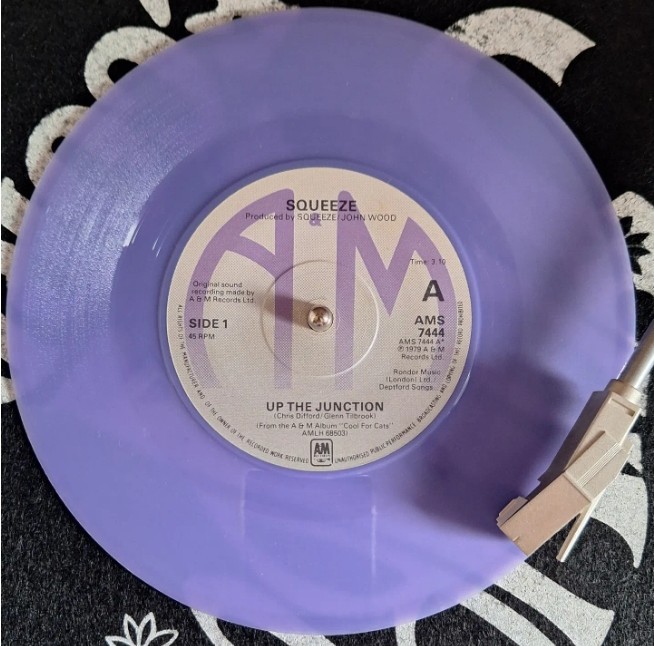
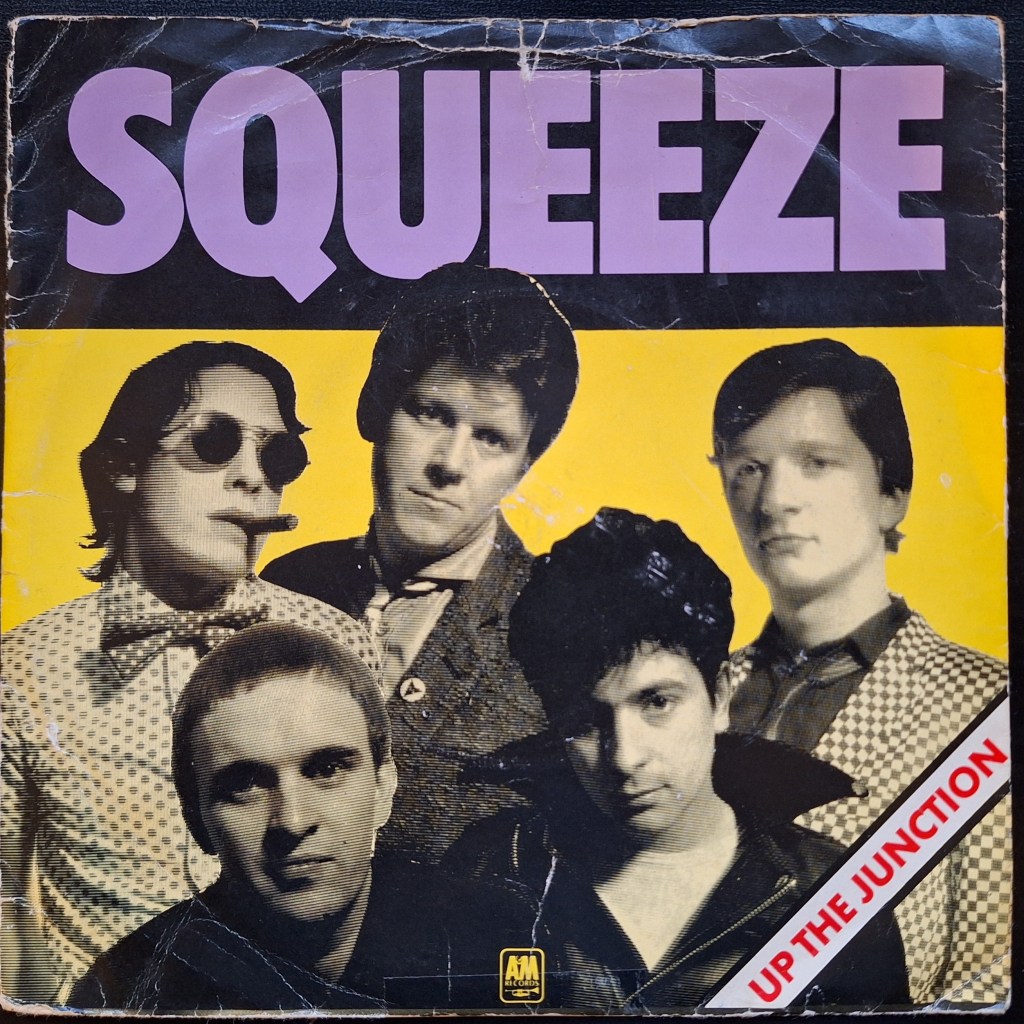
Up The Junction is a song by London band Squeeze, which was released in 1979 and reached number 2 on the UK singles chart. But it’s a damn sight more* than just that. Up The Junction is one of the greatest and most inspired songs of 1979, which I’d wager** was one of the greatest years that popular music has known. And it’s totally unique. And yeah, I quite like it.
The previous paragraph contains a couple of examples of when English gets weird on you: idiomatic expressions like *’a damn sight more’, which actually just means ‘much more’ and unfamiliar or colloquial ways of saying simple things ** (I’d wager = I’d bet). So bearing this in mind, this humble blog post aims to point out some of these colloquialisms and such and such by way of this here wonderful song. You might want to activate the subtitles.
Before we get into the lyrics, how about a little bit of context? The song title comes from a 1968 film of the same name, which came after a TV adaptation by Ken Loach of a book. If you know Ken Loach, then you’ll probably get the picture.

The film that you could see at the pictures back then was a kitchen sink drama (social realism/ working class life…) https://academiadeinglesrobin.com/2022/12/19/two-fingers-the-loneliness-of-the-long-distance-runner-and-other-tales-of-defiance/ and tells the tale of a wealthy and bored young woman from Chelsea (posh London) who decides to try slumming it in Battersea (working class London). You probably know the word ‘slum’; maybe from Slumdog Millionnaire? The idea of ‘slumming it’ was also brilliantly dealt with in Pulp’s classic tune Common People: https://youtu.be/yuTMWgOduFM?si=OXpkOz33Dt9_RKjQ
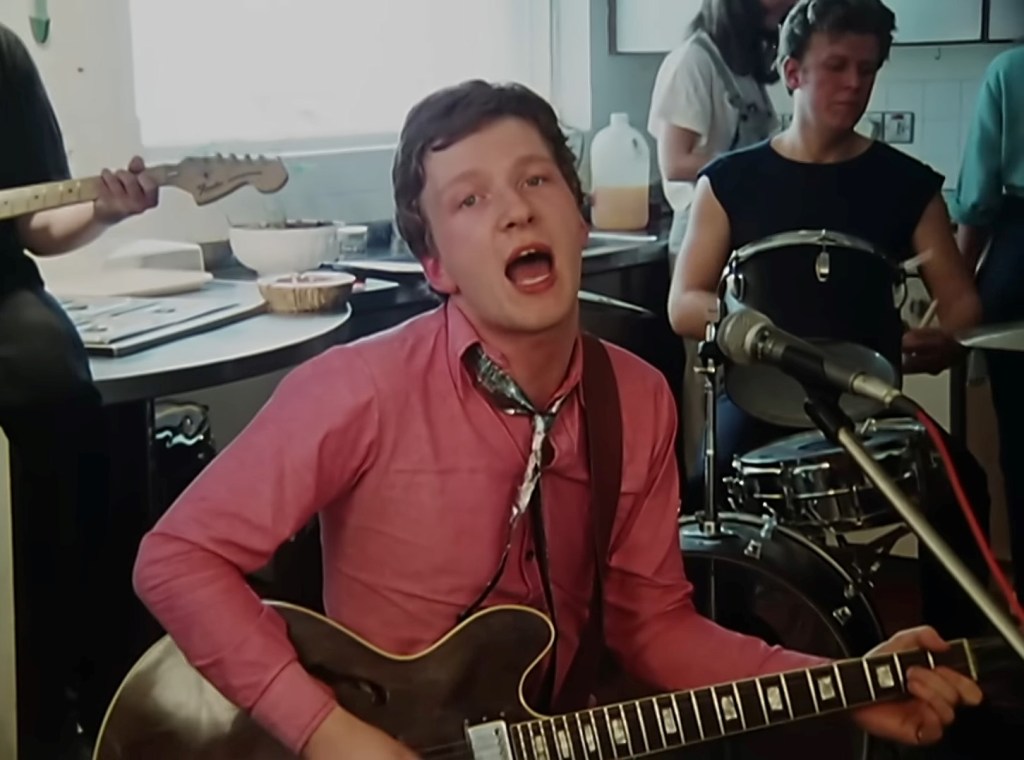
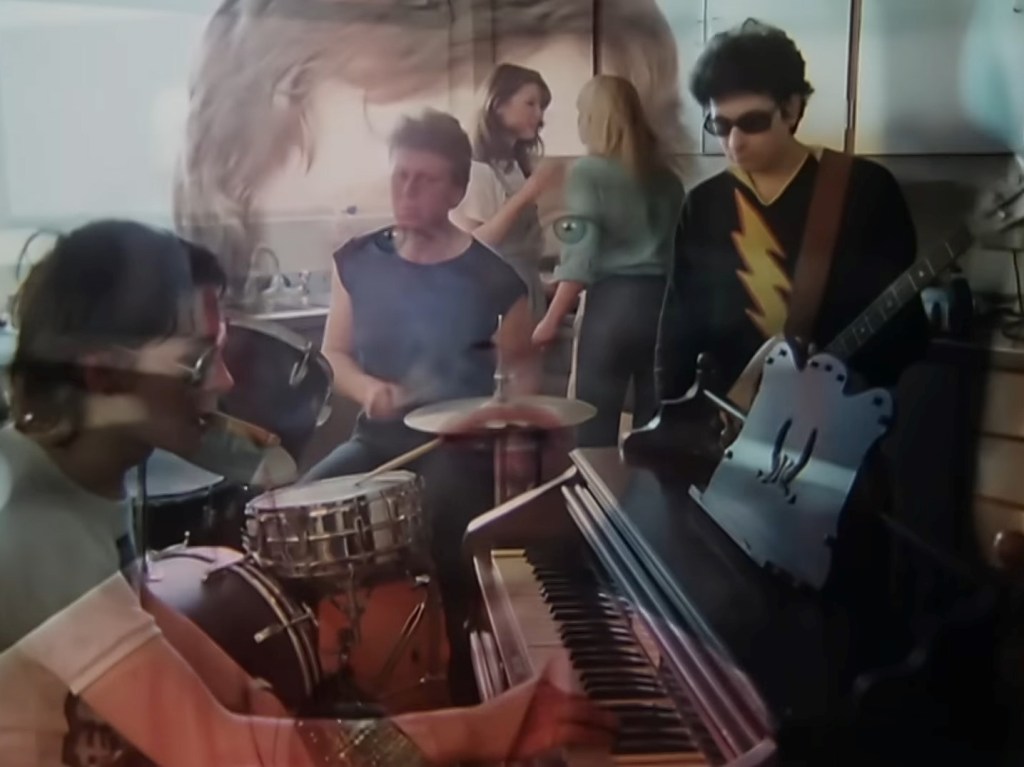
Up The Junction is a perfect pop song that defies the rules of pop songs, perfect or otherwise. You might have noticed that it doesn’t follow the typical verse – chorus – verse formula. It doesn’t even have a chorus! And we don’t hear the song’s title until the last line, which makes for a very nifty ending. So with its story, told in the past and then the present tense , in a way it’s more like a film or a book. The first person narrative makes it seem like a friend or casual acquaintance is telling you their sob story at The Railway Arms or some such London boozer. And, for maximum kitchen sink drama effect, the promotional video was shot in a kitchen. John Lennon’s kitchen, as a matter of fact. The band look a bit bleary eyed and worse for wear in the video. Apparently they’d had a few by the time they got round to shooting the video.
UP THE JUNCTION
«I never thought it would happen
With me and the girl from Clapham
(A district of London. Clapham Junction is a major railway station. Conveniently rhymes with ‘happen’)
Out on the windy common
(Commons are very, err.. common in the UK. An area of open land for public use. Like a park, really)
That night I ain’t forgotten
When she dealt out the rations
With some or other passions
(Working class humour. So they say)
I said, «You are a lady»
«Perhaps,» she said, «I may be
We moved into a basement
With thoughts of our engagement
We stayed in by the telly
Although the room was smelly
We spent our time just kissing
The Railway Arms we’re missing
https://www.hotfootdesign.co.uk/white-space/top-50-pub-names-uk/
But love had got us hooked up
And all our time it took up
I got a job with Stanley
He said I’d come in handy
(be useful)
And started me on Monday
So I had a bath on Sunday
I worked eleven hours
And bought the girl some flowers
She said she’d seen a doctor
And nothing now could stop her
I worked all through the winter
The weather brass and bitter
(Brass monkey weather. ‘Cold enough to freeze the balls off a brass monkey’. Very cold indeed).
I put away a tenner
(saved ten pounds)
Each week to make her better
And when the time was ready
We had to sell the telly
Late evenings by the fire
With little kicks inside her
This morning at four-fifty
I took her rather nifty
(‘nifty’ is an adjective meaning very skillful or stylish. So not quite the right word really, but it rhymes with ‘fifty’ and gets the job done)
Down to an incubator
Where thirty minutes later
She gave birth to a daughter
Within a year a walker
(‘toddler’ is a more common word for very young walking children)
She looked just like her mother
If there could be another
And now she’s two years older
Her mother’s with a soldier
She left me when my drinking
Became a proper stinging
The devil came and took me
From bar to street to bookie
(‘Bookie’ is slang for ‘bookmaker’. A person who takes money and pays out on bets, typically of sporting events)
No more nights by the telly
No more nights nappies smelling
Alone here in the kitchen
I feel there’s something missing
I’d beg for some forgiveness
But begging’s not my business
(The greatest line of the song: tragic male bravado and refusal to say sorry)
And she won’t write a letter
Although I always tell her
And so it’s my assumption
I’m really up the junction

So young love, an unwanted pregnancy, brief happiness, break-up, alcoholism, a gambling habit, solitude…..anyone’s assumption would be that ‘up the junction’ means being in big trouble. A kitchen sink drama, and no mistake.
Addendum:
the pictures – the cinema
slumming it – spending time in conditions that are not nearly as good as what you’re used to
sob story – a story or explanation intended to make the listener feel sympathy
boozer – booze means alcoholic drinks and the boozer is the pub where you drink them
bleary eyed – an unfocused look because you’re very tired (or drunk)
worse for wear – had too much booze
had a few – had some, numerous or too many drinks
and no mistake – without doubt
If you’ve made it this far, thanks for reading!
 Academia de Inglés Robin
Este blog es a genial y me encanta. Despite years of speaking English as a second language I’m still learning stuff here especially about great music and film.
¡Saludos Robin!
Me gustaLe gusta a 1 persona
Thanks a million Ale!! Really glad you like it.
Me gustaMe gusta